Arthroscopic Knee & Shoulder Surgery in Trichy
Advanced Minimally Invasive Joint Treatment for Better Mobility and Recovery
Knee pain, shoulder injuries, ligament tears, and sports-related joint problems can significantly affect your mobility and everyday activities. Simple movements such as walking, climbing stairs, lifting your arms, or participating in sports can become difficult when your joints are injured.
At Lagaram Clinic, Trichy, we focus on comprehensive orthopedic evaluation and personalized treatment planning for patients experiencing knee and shoulder problems. Arthroscopic surgery is an advanced minimally invasive technique that helps orthopedic surgeons diagnose and treat various joint conditions through small incisions.
Whether you are experiencing an ACL injury, meniscus tear, rotator cuff injury, shoulder instability, or cartilage damage, appropriate diagnosis and treatment planning are essential for restoring joint function and supporting long-term mobility.
Our approach emphasizes patient education, individualized orthopedic care, appropriate surgical guidance, and rehabilitation support to help patients return to their daily activities with confidence.
Our approach: Every joint condition is different. Treatment recommendations are based on clinical examination, imaging findings, injury severity, and individual recovery goals.
What is Arthroscopic Knee & Shoulder Surgery?
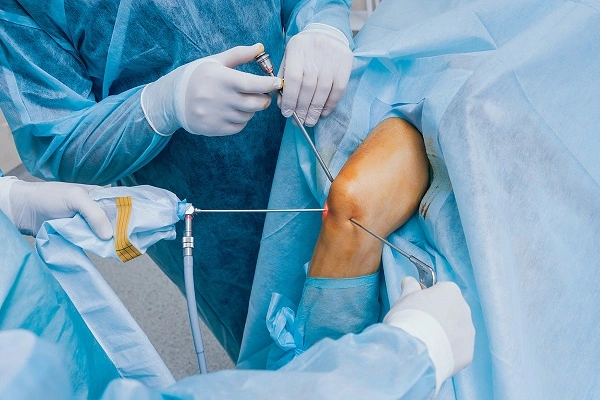
Arthroscopic surgery is a minimally invasive orthopedic procedure used to examine, diagnose, and treat problems inside a joint. It involves using a specialized instrument called an arthroscope, which contains a tiny camera and light source.
The arthroscope is inserted through small incisions around the affected joint. It sends magnified images to a monitor, allowing the orthopedic surgeon to examine structures such as ligaments, cartilage, tendons, and other joint tissues.
Depending on the injury, specialized surgical instruments can be introduced through additional small incisions to repair or remove damaged tissue, reconstruct injured ligaments, or address other joint problems.
Arthroscopy is commonly performed on the knee and shoulder to treat selected sports injuries, ligament damage, meniscus tears, rotator cuff injuries, and shoulder instability.
Important: Arthroscopy is not suitable for every joint condition. The orthopedic specialist determines whether this procedure is appropriate after evaluating the patient's symptoms, examination findings, and diagnostic scans.
Advanced Arthroscopic Knee & Shoulder Care in Trichy
Knee and shoulder injuries require accurate diagnosis and a treatment approach that addresses the underlying cause of the problem. Delayed treatment of certain ligament injuries, tendon tears, or joint instability may affect mobility and daily functioning.
At Lagaram Clinic, we emphasize careful orthopedic assessment and personalized treatment planning for patients experiencing joint pain, sports injuries, and movement-related difficulties.
Depending on the condition, treatment may involve medication, physiotherapy, activity modification, rehabilitation, or surgical intervention when clinically necessary.
For patients requiring arthroscopic surgery, appropriate surgical evaluation and guidance help determine the most suitable procedure and recovery pathway.

Conditions Treated with Arthroscopic Surgery
Arthroscopic procedures can help treat several knee and shoulder conditions. The appropriate treatment depends on the nature of the injury, its severity, and the patient's overall joint health.
ACL and Ligament Tears
Anterior cruciate ligament injuries can cause knee instability, swelling, and difficulty participating in sports or other physical activities. Selected injuries may require arthroscopic ligament reconstruction.
Meniscus Tears
The meniscus acts as a cushion between the thigh bone and shin bone. Tears can cause knee pain, swelling, locking, and restricted movement. Selected tears may be treated through arthroscopic repair or removal of damaged tissue.
Rotator Cuff Tears
Rotator cuff injuries affect the tendons responsible for shoulder movement and stability. Arthroscopic repair may be recommended for suitable tendon tears.
Shoulder Impingement
Shoulder impingement can cause pain when lifting the arm, reaching overhead, or performing repetitive movements. Treatment depends on the underlying cause and severity.
Shoulder Instability and Dislocations
Recurrent shoulder dislocations and instability may result from damaged ligaments or joint-supporting structures. Arthroscopic stabilization can help selected patients.
Cartilage Damage
Cartilage injuries can lead to joint discomfort, stiffness, and restricted movement. Arthroscopic procedures may help manage certain cartilage-related problems.
Sports-Related Joint Injuries
Running, jumping, sudden twisting, and contact sports can cause injuries involving ligaments, tendons, and cartilage. Early assessment helps guide appropriate treatment.
Knee Joint Loose Bodies
Small fragments of bone or cartilage inside a joint may cause locking, catching, and discomfort. Arthroscopy may be used to remove suitable loose bodies.
Shoulder Labral Tears
Damage to the labrum, the cartilage structure surrounding the shoulder socket, may cause pain, instability, and clicking sensations. Selected tears can be treated arthroscopically.
Benefits of Arthroscopic Knee & Shoulder Surgery
Arthroscopic surgery offers several potential advantages over traditional open procedures for appropriately selected joint conditions.
Minimally Invasive Technique
Small incisions help reduce disruption to surrounding tissues compared with many traditional open procedures.
Detailed Joint Visualization
The arthroscope provides magnified views of internal joint structures, helping surgeons assess and address specific injuries.
Smaller Surgical Incisions
Arthroscopic procedures generally require smaller incisions, which usually result in smaller scars.
Potentially Less Postoperative Discomfort
Many patients experience less postoperative discomfort than with comparable open procedures, although individual results vary.
Structured Rehabilitation
Appropriate rehabilitation helps restore movement, muscle strength, flexibility, and joint stability.
Return to Daily Activities
With appropriate treatment and rehabilitation, patients can gradually work towards returning to their normal activities.
How Does Arthroscopic Surgery Work?
Arthroscopic treatment involves careful assessment, surgical planning, the appropriate procedure, and a structured rehabilitation programme.
Initial Assessment
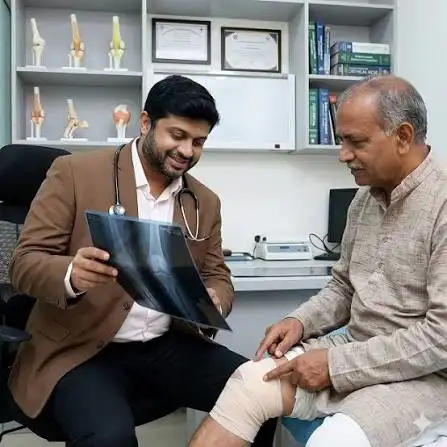
The orthopedic specialist evaluates symptoms, joint movement, medical history, and physical examination findings.
Diagnostic Imaging
X-rays or MRI scans may be recommended to understand the injury and assess internal joint structures.
Treatment Planning
The specialist discusses suitable treatment options, including conservative management or arthroscopic surgery when indicated.
Recovery and Rehabilitation
A personalized rehabilitation plan helps patients gradually regain strength, flexibility, and joint function.
Why Choose Lagaram Clinic for Orthopedic Care?
Choosing the right orthopedic care is important when dealing with knee injuries, shoulder problems, ligament tears, and persistent joint pain.
At Lagaram Clinic, we emphasize a patient-focused approach that combines clinical assessment, clear treatment guidance, and individualized recovery planning.
Experienced Orthopedic Care
Orthopedic evaluation supported by clinical experience in managing a range of musculoskeletal and joint conditions.
Personalized Treatment Planning
Treatment recommendations are tailored to the patient's symptoms, diagnosis, activity level, and recovery requirements.
Comprehensive Orthopedic Evaluation
Careful assessment of joint pain, sports injuries, ligament damage, and movement-related problems.
Patient-Centered Approach
Clear communication and guidance help patients understand their condition and available treatment options.
Recovery-Focused Care
Emphasis on rehabilitation, restoring mobility, improving strength, and supporting a safe return to everyday activities.
Recovery and Rehabilitation After Arthroscopic Surgery
Rehabilitation plays an important role in recovery after arthroscopic knee or shoulder surgery. Although minimally invasive procedures may reduce tissue disruption, complete recovery still requires appropriate rest, exercise, and medical guidance.
The recovery period depends on the type of procedure performed, the severity of the injury, the patient's overall health, and individual healing progress.
Some patients may resume basic activities relatively early, while procedures such as ACL reconstruction, meniscus repair, and rotator cuff repair require a longer and more structured rehabilitation programme.
Explore Related Orthopedic Services
Different joint conditions require different treatment approaches. Explore other orthopedic treatments that may help address knee, shoulder, and sports-related problems.
FAQs About Arthroscopic Knee & Shoulder Surgery in Trichy
Find answers to common questions about arthroscopic procedures, recovery, treatment options, and joint care.
1. What is arthroscopic knee and shoulder surgery?
Arthroscopic knee and shoulder surgery is a minimally invasive orthopedic procedure used to diagnose and treat problems inside the joints. A small camera called an arthroscope is inserted through tiny incisions, allowing the surgeon to examine and treat damaged tissues. It is commonly used for ACL injuries, meniscus tears, rotator cuff injuries, and shoulder instability.
2. What conditions can be treated with arthroscopic surgery?
Arthroscopic surgery may be used to treat ACL and other ligament injuries, meniscus tears, rotator cuff tears, shoulder impingement, recurrent shoulder dislocations, labral injuries, cartilage damage, and selected sports-related joint injuries. The orthopedic specialist determines whether arthroscopy is suitable based on clinical examination and imaging results.
3. Is arthroscopic surgery better than traditional open surgery?
Arthroscopic surgery uses smaller incisions and may offer advantages such as smaller scars, reduced tissue disruption, and less postoperative discomfort for certain conditions. However, it is not suitable for every injury. The choice between arthroscopic and open surgery depends on the injury, its severity, and the patient's medical requirements.
4. How long does recovery take after arthroscopic knee or shoulder surgery?
Recovery varies depending on the procedure performed. Patients undergoing minor arthroscopic procedures may return to routine activities within a few weeks. More complex procedures, such as ACL reconstruction or rotator cuff repair, may require several months of rehabilitation. Following the surgeon's instructions and physiotherapy programme is important.
5. Can knee and shoulder injuries be treated without surgery?
Yes. Many knee and shoulder conditions can be managed without surgery. Treatment options may include physiotherapy, medications, activity modification, strengthening exercises, and selected injections. Surgery may be considered when conservative treatment does not provide adequate relief or when the injury requires surgical repair.
6. Is physiotherapy necessary after arthroscopic surgery?
Physiotherapy is often an essential part of recovery after arthroscopic knee and shoulder surgery. Rehabilitation helps improve joint mobility, restore muscle strength, reduce stiffness, and support a safe return to normal activities. The rehabilitation programme depends on the specific procedure and the patient's recovery progress.
7. Is arthroscopic surgery suitable for older adults?
Age alone does not determine whether someone is suitable for arthroscopic surgery. The decision depends on the type of joint problem, overall health, activity level, cartilage condition, and expected benefits. An orthopedic specialist evaluates these factors before recommending treatment.
8. Does arthroscopic surgery require hospitalization?
Many arthroscopic procedures are performed as day-care surgeries, allowing patients to return home on the same day. However, certain complex procedures or individual medical circumstances may require an overnight hospital stay. The surgeon and hospital team determine the appropriate arrangements.
9. Where can I consult an orthopedic specialist for arthroscopic surgery in Trichy?
Patients experiencing persistent knee pain, shoulder injuries, ligament tears, sports-related joint problems, or restricted movement can seek orthopedic evaluation at Lagaram Clinic in Trichy. An orthopedic specialist can assess the condition, explain suitable treatment options, and guide patients regarding arthroscopic surgery when clinically indicated.
Medical Disclaimer: The information on this page is intended for general educational purposes and should not be considered a substitute for professional medical advice, diagnosis, or treatment. The suitability of arthroscopic surgery depends on individual clinical evaluation. Surgical procedures should be undertaken only after consultation with a qualified orthopedic specialist.
Lagaram Clinic – Orthopedic Care in Trichy
At Lagaram Clinic, we believe that better joint health begins with the right diagnosis, personalized treatment guidance, and appropriate rehabilitation. Our focus is to help patients understand their orthopedic conditions and work towards improved mobility, comfort, and quality of life.