Spine & Back Pain Treatment in Trichy
Expert Care for Better Spinal Health, Mobility and Lasting Relief
Back pain and spinal problems can affect every aspect of daily life, from walking and sitting to working, sleeping and performing routine activities. Whether caused by poor posture, muscle strain, injuries or age-related spinal changes, persistent discomfort should not be ignored.
At Lagaram Clinic, Tiruchirappalli, we focus on understanding the underlying causes of spine and back pain and providing appropriate orthopedic evaluation and treatment guidance. Our approach emphasizes pain management, improved mobility, rehabilitation and long-term spinal health.
If you are experiencing lower back pain, neck discomfort, stiffness, radiating leg pain or difficulty moving comfortably, seeking timely medical evaluation can help you take the right steps towards recovery.
What is Spine and Back Pain Treatment?
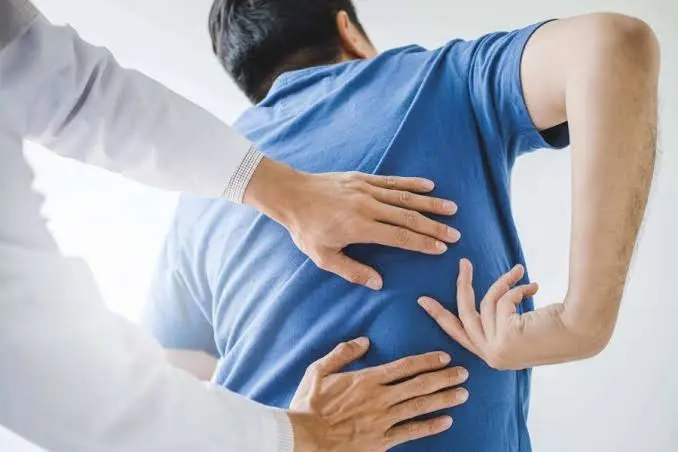
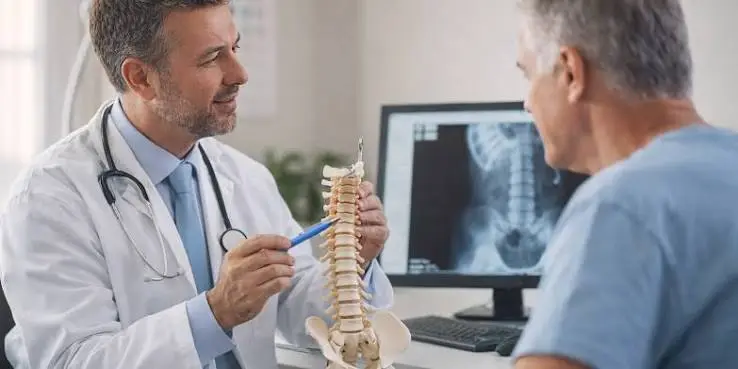
Spine and back pain treatment involves identifying and managing conditions affecting the vertebrae, intervertebral discs, spinal nerves, muscles, ligaments and other supporting structures of the back.
Back pain can develop suddenly following an injury or gradually due to prolonged sitting, improper posture, repetitive activities or degenerative changes in the spine.
Treatment depends on the underlying diagnosis, severity of symptoms and individual health requirements. Depending on the condition, management may involve medication, physiotherapy, activity modification, rehabilitation or specialist referral for further interventions.
Early evaluation can help identify the cause of spinal discomfort, guide appropriate treatment and reduce the risk of prolonged functional difficulties.
Common Spine and Back Conditions We Address
Spine-related problems can affect different areas of the back and nervous system. At Lagaram Clinic, we focus on evaluating common orthopedic conditions and guiding patients towards appropriate care.
Herniated Disc (Slip Disc)
A condition in which the soft inner material of a spinal disc protrudes through its outer layer and may irritate nearby nerves, resulting in back pain, tingling, numbness or weakness.
Sciatica
Sciatica causes pain that travels from the lower back through the buttock and down one leg. It commonly occurs due to irritation or compression of the sciatic nerve.
Degenerative Disc Disease
Age-related changes in spinal discs can reduce their cushioning ability and contribute to persistent discomfort, stiffness and reduced flexibility.
Spinal Stenosis
Narrowing of the spaces within the spine can place pressure on spinal nerves, sometimes causing pain, numbness, weakness or difficulty walking.
Muscle and Ligament Strain
Back muscle and ligament injuries may occur due to heavy lifting, sudden movements, repetitive activities or prolonged poor posture.
Cervical and Lumbar Spondylosis
Degenerative changes affecting the neck and lower back can cause stiffness, discomfort, restricted movement and sometimes nerve irritation.
Signs That You Should Not Ignore
Spine and back conditions can produce different symptoms depending on the affected spinal region and whether nearby nerves are involved. Some symptoms may initially appear mild but gradually interfere with everyday activities.
Consider consulting an orthopedic specialist if you experience persistent or worsening symptoms such as:
Important: New bladder or bowel control problems, numbness around the groin or rapidly worsening leg weakness require immediate emergency medical assessment.

Spine and Back Pain Treatment Options
Effective back pain management begins with identifying the underlying cause. Treatment recommendations are based on clinical findings, symptom severity, medical history and individual recovery needs.
01. Clinical Evaluation
A detailed assessment of symptoms, medical history, posture, movement and neurological function helps identify possible causes of spinal discomfort.
02. Diagnostic Investigations
Depending on the clinical findings, investigations such as X-rays, MRI scans or other diagnostic tests may be recommended to evaluate spinal structures.
03. Medication Management
Appropriate medications may be prescribed to help manage pain, inflammation or associated symptoms, depending on the diagnosis.
04. Physiotherapy
Guided physiotherapy may help improve flexibility, strengthen supporting muscles, restore movement and improve functional ability.
05. Posture and Lifestyle Correction
Guidance on sitting posture, lifting techniques, workplace ergonomics and daily activities can help reduce unnecessary strain on the spine.
06. Specialist Intervention
Patients with persistent symptoms or significant spinal problems may require further specialist evaluation and consideration of advanced pain management or surgical treatment.
Benefits of Early Spine and Back Pain Treatment
Timely diagnosis and appropriate management can help improve spinal function and reduce the impact of back pain on everyday life.
Pain Management
Helps reduce discomfort through appropriate treatment.
Better Mobility
Supports improved movement and flexibility.
Early Diagnosis
Helps identify underlying spinal conditions.
Better Well-being
Supports a more comfortable daily lifestyle.
Rehabilitation
Encourages strength and functional recovery.
Why Choose Lagaram Clinic for Spine and Back Pain Treatment in Trichy?
At Lagaram Clinic, Tiruchirappalli, we believe that effective orthopedic care begins with understanding each patient's condition and individual needs.
Our approach focuses on proper evaluation, appropriate treatment guidance and rehabilitation to help patients manage spinal discomfort and improve their everyday mobility.
Patient-Centred Evaluation
Careful assessment of symptoms, medical history and physical function to understand each patient's condition.
Individualised Treatment Guidance
Treatment recommendations based on the diagnosis, severity of symptoms and recovery requirements.
Focus on Non-Surgical Management
Appropriate conservative treatment options are considered whenever clinically suitable.
Rehabilitation and Recovery
Emphasis on movement, strengthening, posture correction and functional improvement.
Comprehensive Orthopedic Care
An approach that considers the relationship between spinal health, mobility, injuries and overall musculoskeletal function.
Supporting Your Journey Towards Better Spinal Health
Recovery is an important part of managing spine and back pain. Along with appropriate medical treatment, rehabilitation and healthy daily habits can help restore movement and support long-term spinal function.
The recovery process varies depending on the underlying condition. Some muscular back problems improve within a few weeks, while chronic spinal conditions may require longer treatment and rehabilitation.
Following medical advice, maintaining appropriate activity levels and attending recommended follow-up evaluations can help support recovery.
Take Care of Your Spine. Protect Your Mobility.
Persistent back pain should not become a normal part of everyday life. Understanding the cause of your discomfort and following an appropriate treatment plan can help improve movement, manage symptoms and support better spinal health.
At Lagaram Clinic, Tiruchirappalli, we focus on patient-centred orthopedic evaluation and appropriate treatment guidance for individuals experiencing back pain, neck pain, sciatica, slipped discs and other spine-related concerns.
Spine and Back Pain Treatment FAQs
Find answers to common questions about back pain, spinal conditions, treatment options and recovery.
1. What are the common causes of spine and back pain?
Common causes include poor posture, muscle strain, herniated discs, sciatica, spinal stenosis and age-related degenerative conditions. Prolonged sitting, improper lifting techniques, injuries and repetitive activities can also contribute to back pain. A clinical evaluation can help identify the underlying cause.
2. When should I consult a doctor for back pain?
You should consult a doctor if back pain persists, becomes progressively worse, affects daily activities or radiates into your legs. Pain associated with numbness, tingling or muscle weakness also requires medical evaluation. New bladder or bowel control problems, numbness around the groin or rapidly worsening leg weakness require immediate emergency assessment.
3. Can spine and back pain be treated without surgery?
Yes. Many spinal conditions can be managed without surgery. Depending on the diagnosis, treatment may include medications, physiotherapy, posture correction, activity modification and strengthening exercises. Surgery may be considered in selected cases when conservative treatment is unsuccessful or serious neurological problems are present.
4. What is the best treatment for sciatica and slip disc pain?
Treatment depends on the cause, severity of symptoms and whether nerve compression is present. Options may include appropriate medication, physiotherapy, activity modification and specialist-directed interventions. Persistent pain, progressive weakness or significant numbness should be medically evaluated.
5. How long does it take to recover from back pain?
Recovery varies according to the underlying condition. Mild muscular back pain may improve within a few days or weeks, while disc-related problems and chronic spinal conditions may require several weeks or months of treatment and rehabilitation.
6. Does physiotherapy help with chronic back pain?
Physiotherapy can help manage many types of chronic back pain. A personalised program may include strengthening exercises, stretching, mobility training and posture education. These approaches can improve functional movement and support long-term spinal health.
7. Can prolonged sitting cause back pain?
Yes. Sitting for extended periods, especially with poor posture, can place additional strain on the muscles and supporting structures of the back. Regular movement breaks, appropriate seating, ergonomic adjustments and maintaining physical activity can help reduce discomfort.
8. What exercises are good for spine health?
Depending on your condition, suitable exercises may include gentle stretching, core strengthening, walking and mobility exercises. The right program should be selected according to your symptoms and clinical assessment. Avoid exercises that worsen your pain and seek professional guidance before starting a new exercise routine.
9. Can a slipped disc heal without surgery?
Many people with herniated discs improve with non-surgical treatment. Depending on the severity, management may involve medication, physiotherapy and activity modification. However, progressive neurological symptoms or serious nerve compression require prompt specialist assessment.
10. Where can I get spine and back pain treatment in Trichy?
Lagaram Clinic in Tiruchirappalli provides orthopedic consultation and evaluation for patients experiencing back pain, neck pain, sciatica, slipped discs and other musculoskeletal concerns. Patients can seek an assessment to understand their symptoms and receive appropriate treatment guidance based on their condition.