
Osteoarthritis & Joint Pain Treatment in Trichy
Joint pain, stiffness and reduced mobility can make everyday activities increasingly difficult. Walking, climbing stairs, exercising and performing routine tasks may become uncomfortable when joints are affected by osteoarthritis or other degenerative conditions.
At Lagaram Clinic, Tiruchirappalli, we focus on orthopedic evaluation and personalized joint care to help patients understand the cause of their discomfort and explore appropriate treatment options.
Whether you are experiencing knee pain, hip discomfort, shoulder stiffness or age-related joint problems, our approach emphasizes accurate assessment, appropriate treatment guidance and long-term mobility.
What is Osteoarthritis?
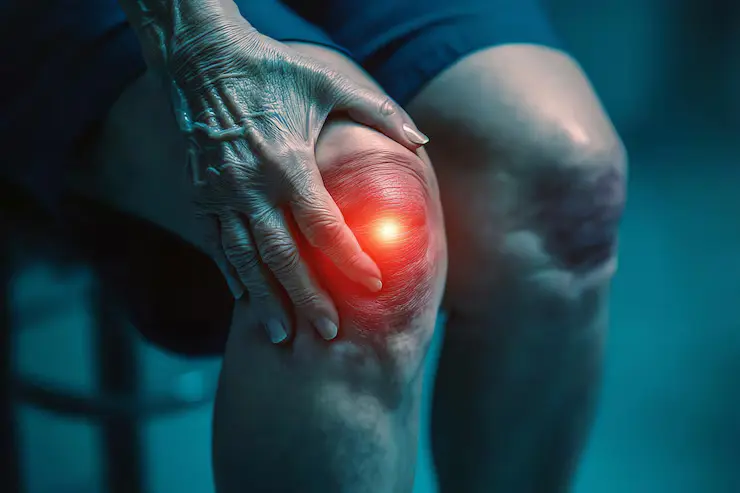
Osteoarthritis is a common degenerative joint condition that develops when the cartilage cushioning the ends of bones gradually changes and wears down. This can affect the normal movement of joints and cause discomfort, stiffness and inflammation.
The condition commonly affects weight-bearing joints such as the knees and hips, although the hands, shoulders and spine can also be involved.
Osteoarthritis may develop gradually due to ageing, previous joint injuries, repetitive stress, excess body weight and other contributing factors.
Early evaluation by an orthopedic specialist can help determine the extent of joint involvement and identify suitable management options.
Early diagnosis, appropriate treatment and regular joint care can help manage symptoms and preserve everyday mobility.
Joint Conditions We Evaluate & Treat
Joint pain can have several underlying causes. At Lagaram Clinic, we focus on evaluating different orthopedic conditions and recommending appropriate care based on individual symptoms and clinical findings.
Knee Osteoarthritis
Degeneration of the knee joint that can cause pain, swelling, stiffness and difficulty walking or climbing stairs.
Hip Osteoarthritis
Wear-related changes in the hip joint that may cause groin pain, stiffness and difficulty with everyday movement.
Shoulder Arthritis
Joint degeneration affecting shoulder movement, sometimes causing pain while lifting or rotating the arm.
Chronic Joint Pain
Persistent joint discomfort that may be associated with degenerative changes, previous injuries or other orthopedic conditions.
Joint Stiffness
Reduced flexibility and difficulty moving joints, particularly after prolonged rest or in the morning.
Age-Related Joint Degeneration
Changes in joint structures associated with ageing that may affect comfort, movement and physical independence.
Common Symptoms of Osteoarthritis
Osteoarthritis symptoms usually develop gradually and may become more noticeable over time. The severity of symptoms can vary depending on the joint affected and the extent of degeneration.
Persistent pain, worsening stiffness or reduced mobility should be evaluated by an orthopedic specialist to identify the underlying cause.

Osteoarthritis Treatment Options
Osteoarthritis treatment depends on the severity of cartilage damage, the affected joint, the patient's symptoms and overall health. A personalized treatment plan can help manage discomfort and improve daily function.
Comprehensive Orthopedic Evaluation
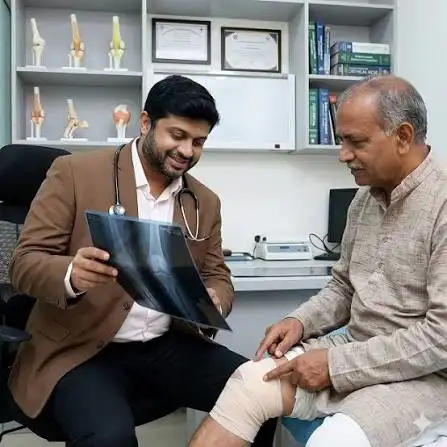
Clinical assessment and appropriate investigations help identify the affected joint, understand the severity of the condition and guide further treatment.
Medication and Pain Management
Appropriate pain-relieving medications may be recommended based on individual symptoms, medical history and clinical requirements.
Physiotherapy and Strengthening
Guided exercises can help strengthen supporting muscles, improve flexibility and maintain joint movement.
Weight Management and Lifestyle Changes
Maintaining a healthy body weight and adopting suitable low-impact physical activities can help reduce stress on weight-bearing joints.
Joint Injection Options
In selected cases, joint injections may be considered after evaluating the condition, potential benefits and suitability for the patient.
Advanced Surgical Treatment
For advanced joint degeneration that does not respond adequately to nonsurgical treatment, joint replacement may be considered after specialist evaluation.
Not every patient requires the same treatment. The appropriate approach depends on individual clinical assessment.
Benefits of Early Osteoarthritis Management
Addressing joint problems at an appropriate stage can help patients maintain function and manage symptoms more effectively.
Better Pain Management
Improved Mobility
Maintained Joint Function
Improved Quality of Life
Your Joint Health Matters to Us
At Lagaram Clinic, Trichy, we believe orthopedic care should focus on understanding each patient's condition, lifestyle and treatment needs.
Our approach emphasizes careful assessment, clear treatment guidance and appropriate follow-up to support better joint health.
Clinical experience in orthopedic care and management of complex trauma cases.
Recommendations based on individual symptoms, examination and diagnostic findings.
Care that considers movement, physical function and long-term joint health.
Clear explanations to help patients understand their condition and available treatment options.
Consultations available throughout the week, Monday to Sunday.
Experience in Advanced Orthopedic Care
Orthopedic treatment requires an understanding of joint conditions, injuries and the functional needs of every patient.
Orthopedic Clinical Experience
The orthopedic doctor's professional background includes experience as an Ex-Registrar at Ganga Hospital, Coimbatore, where complex trauma cases were managed.
Further training includes fellowship experience in knee replacement and robotic-assisted knee replacement under Dr. Guruvareddy. This training supports an understanding of advanced knee replacement techniques and contemporary orthopedic treatment approaches.
Patients can communicate comfortably in the following languages:
Recovery and Long-Term Joint Care
Managing osteoarthritis is an ongoing process. Along with appropriate medical treatment, maintaining muscle strength, following recommended exercises and adopting healthy lifestyle habits can support joint function.
Patients may benefit from low-impact activities such as walking, cycling or swimming, depending on their condition and physical abilities. Avoiding excessive strain, maintaining a healthy weight and following medical advice are also important.
Regular follow-up helps monitor symptoms, assess treatment response and make adjustments when necessary. The goal is to help patients remain as active and independent as possible.
Osteoarthritis & Joint Pain FAQs
Find answers to common questions about osteoarthritis, joint pain, treatment and long-term joint health.
1. What are the early signs and symptoms of osteoarthritis?
Early signs include joint pain during movement, stiffness after resting, mild swelling, reduced flexibility and discomfort during daily activities. Osteoarthritis commonly affects the knees, hips, hands and spine. An orthopedic evaluation can help identify the condition and determine suitable treatment.
2. Can osteoarthritis be treated without surgery?
Yes. Many patients can manage osteoarthritis without surgery, particularly during its earlier stages. Treatment may include physiotherapy, strengthening exercises, weight management, appropriate medication and selected joint injections. The recommended approach depends on the severity of joint degeneration and the patient's overall health.
3. What is the difference between osteoarthritis and rheumatoid arthritis?
Osteoarthritis is a degenerative joint condition involving changes in cartilage and surrounding joint structures. Rheumatoid arthritis is an autoimmune disease that causes inflammation in the joints. Although both can cause pain and stiffness, their causes and treatment approaches are different.
4. When should I consult an orthopedic doctor for joint pain?
Consult an orthopedic doctor if joint pain persists, becomes progressively worse or interferes with walking, climbing stairs or daily activities. Persistent swelling, stiffness and reduced mobility should also be evaluated. A suddenly hot, swollen joint with fever requires urgent medical assessment.
5. Is physiotherapy effective for osteoarthritis?
Physiotherapy is an important part of osteoarthritis management. Individualized exercises can strengthen muscles surrounding the joints, improve flexibility and maintain mobility. Low-impact activities may also help support joint function when appropriate for the patient's condition.
6. When is knee replacement surgery recommended?
Knee replacement may be considered when advanced osteoarthritis causes significant pain, joint damage and difficulty performing daily activities despite appropriate nonsurgical treatment. An orthopedic specialist evaluates symptoms, imaging findings, overall health and functional limitations before recommending surgery.
7. Can osteoarthritis affect people below 50 years of age?
Yes. Although osteoarthritis is more common in older adults, younger people can also develop it, particularly following joint injuries, repetitive joint stress or certain underlying conditions. Persistent joint pain should be evaluated regardless of age.
8. Which joints are commonly affected by osteoarthritis?
Osteoarthritis commonly affects the knees, hips, hands and spine. Symptoms and treatment requirements vary depending on the joint involved and the degree of degeneration.
9. Can lifestyle changes help reduce joint pain?
Yes. Maintaining a healthy weight, following suitable strengthening exercises, staying physically active and avoiding excessive joint strain can help manage symptoms and support joint function. Lifestyle changes should be tailored to individual medical needs.
10. Where can I consult an osteoarthritis and joint pain doctor in Trichy?
Patients experiencing knee pain, hip discomfort, shoulder stiffness or other joint-related problems can visit Lagaram Clinic in Tiruchirappalli, Tamil Nadu, for orthopedic evaluation and personalized treatment guidance.
Supporting Better Joint Health at Lagaram Clinic
Joint pain does not have to define your everyday life. Understanding your condition, exploring appropriate treatment and maintaining healthy movement can make an important difference to your quality of life.